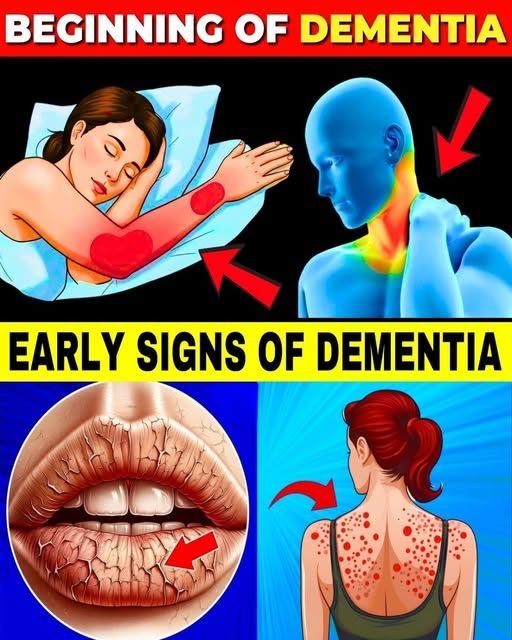
Dementia is not a normal part of aging. It is a term used to describe a group of symptoms that affect memory, thinking, behavior, and daily functioning. Recognizing early warning signs can help people seek medical advice sooner, which may improve care and quality of life.
1. Memory Loss That Disrupts Daily Life
Frequently forgetting recently learned information, important dates, or repeatedly asking the same questions may be an early warning sign.
2. Difficulty Completing Familiar Tasks
A person may struggle with routine activities such as cooking a familiar recipe, managing bills, or remembering how to operate household appliances.
3. Trouble Finding the Right Words
People with early dementia may pause often during conversations, repeat themselves, or have difficulty naming common objects.
4. Confusion About Time or Place
Losing track of dates, seasons, or becoming confused about where they are can be an early symptom.
5. Poor Judgment or Decision-Making
This may include unusual financial choices, neglecting hygiene, or making unsafe decisions.
6. Changes in Mood or Personality
Some people become more anxious, suspicious, depressed, irritable, or withdrawn from social activities.
7. Misplacing Things Frequently
Placing items in unusual places and being unable to retrace steps may become more common.
8. Difficulty Following Conversations
Trouble keeping up with discussions, TV shows, or instructions can occur as cognitive function changes.
9. Problems With Planning or Concentration
Tasks that require organization, focus, or problem-solving may become more challenging.
10. Withdrawal From Social Activities
A person may stop participating in hobbies, work, or social gatherings they once enjoyed.
Important Note
Experiencing one or two of these symptoms occasionally does not automatically mean someone has dementia. Stress, poor sleep, medication side effects, depression, vitamin deficiencies, and other medical conditions can cause similar symptoms.
When to Seek Medical Advice
It is important to speak with a healthcare professional if symptoms:
- Happen frequently
- Get worse over time
- Interfere with daily life or safety
Early evaluation can help identify possible causes and appropriate treatment options.
Healthy Brain Habits
- Stay physically active
- Eat a balanced diet
- Keep socially connected
- Get quality sleep
- Manage blood pressure and blood sugar
- Challenge the brain with reading, puzzles, or learning new skills